


Online Social Anxiety Counselling Across Ontario
Social Anxiety Therapy in Ontario
If saying your name in a meeting, calling to book the dentist or walking into a room of people makes your chest tighten, you are not being dramatic. Work with a therapist who understands social anxiety, online and with no waitlist. Phone sessions are available upon request.
- No waitlist
- Secure video sessions, or phone upon request
- Reduced-fee sessions available
- Receipts for extended health benefits
Social Anxiety Isn’t Just Shyness
Social anxiety is a persistent fear of being watched, judged or embarrassed in front of other people, and of what you imagine they will think of you afterwards.
Shyness is a temperament. It can make the first ten minutes of a party uncomfortable and then settle once you warm up to the people around you. Social anxiety works differently. It doesn’t only make situations unpleasant, it changes what you are willing to do at all, so the invitation gets declined, the question stays unasked and the phone call you need to make gets put off for another week.
It usually shows up in very ordinary places rather than dramatic ones: a text you haven’t answered, a voice note you keep meaning to listen to, a meeting where you sit dreading your turn to introduce yourself. It also tends to run on a loop. Before a social situation there is dread and a long list of what could go wrong. During it, your attention turns inward, onto your own voice, your face, your hands, how long you’ve been talking. Afterwards comes the replay, where you go back over everything you said and decide what it must have looked like. That replay feels like honesty, but it is usually the anxiety talking.
The reason social anxiety is so sticky is that avoiding works, briefly. Skipping the meeting, putting off the call or leaving the group chat unanswered brings instant relief, and your brain learns that avoiding was the thing that kept you safe. The fear never gets a chance to be disproven, so next time the stakes feel higher still. Therapy is largely about interrupting that cycle at a pace you can actually manage.
Signs of Social Anxiety in Everyday Life
Social anxiety rarely announces itself, and it doesn’t have to mean avoiding people altogether. More often it shows up in very ordinary moments, as procrastination, dread and overthinking that quietly take up your energy. These are the patterns people describe most often.
Phone and appointments
Putting Off Simple Calls
Calling the dentist, booking an appointment or returning a call sits on your list for weeks. Small tasks like these can take a huge amount of energy.
Texts
Texts, Calls and Voice Notes
Messages sit unanswered while you work out the right reply, and voice notes feel easier to leave unplayed. The longer you wait, the harder replying becomes.
Fear of judgement
Assuming the Worst
You leave a conversation sure you came across badly, and you carry that verdict for hours or days.
Plans
Wanting to Go, and Not Wanting to Go
You want to be invited, then dread actually going, and wish you were someone who looked forward to it. That is different from simply not feeling social.
Staying in
Staying Home and Scrolling
Plans fall through or never get made, and the evening disappears into doomscrolling instead of the connection you actually want.
Afterwards
Replaying Awkward Moments
You trip over your words or say something clumsy, then replay it and beat yourself up long after everyone else has forgotten it.
Work
Meetings and Presentations
Speaking up, presenting, or even saying your name in a round of introductions, and sitting there dreading your turn.
Friendship
Making Friends as an Adult
Not just because it is inconvenient, but because reaching out, suggesting plans and getting closer bring real anxiety and overthinking.
Apologizing
Saying Sorry When You’ve Done Nothing Wrong
Apologizing to smooth things over, even when you don’t think you’ve done anything wrong. About people pleasing
Is Social Anxiety Therapy Right for You?
You don’t need a diagnosis, and you don’t need to have hit a crisis point. If fear of what other people think is making your decisions for you, that is reason enough to start. Therapy helps whether or not anyone has ever given your experience a name.
It also helps to know that social anxiety responds well to being worked on directly. This isn’t a personality trait you have to accept. It is a pattern of prediction, avoidance and self-monitoring, and each of those can change.
Social anxiety therapy may be a good fit if you:
- Turn down opportunities because of who will be watching
- Rehearse ordinary conversations before you have them
- Feel exhausted after socializing rather than energized
- Notice your world getting smaller year by year
- Put off calls, appointments and replies until they feel enormous
- Rely on alcohol or your phone to get through gatherings
- Want dating, friendship or work to stop feeling like a performance
How to Get Started
Getting started is simple, and everything happens online.
-
Pick a Time
Choose a free 15 to 20 minute consultation slot and tell us a little about what’s going on.
-
We Match You
Behind the scenes, we pair you with a therapist based on what you’re working through, how you like to work and your background, then confirm your appointment by email or text.
-
Free Meet & Greet With Your Therapist
Ask your questions and assess fit. Start sessions within days and schedule with them directly.
What Social Anxiety Therapy Actually Involves
People sometimes put off reaching out because they imagine therapy will mean being pushed into the exact situations they dread. That isn’t how it works. Nothing happens that you haven’t agreed to, and the pace is yours.
Early sessions are mostly about mapping the pattern. Your therapist will want to know which situations set the anxiety off, what you predict will happen in them, what you do to manage, and what the cost of that managing has been. Seeing it written out is often the first relief, because the fear starts to look like a mechanism rather than a personal failing.
From there the work usually moves in three directions at once. You learn to recognize and question the predictions your mind treats as facts, such as the assumption that a pause in conversation means you’ve been found boring. You practise turning your attention outward, onto the person in front of you rather than onto your own performance. And you gradually reduce the avoidance and the safety behaviours, starting with something small enough to be genuinely doable.
That last part is exposure-based work, including Exposure and Response Prevention (ERP). It isn’t about gritting your teeth until you can tolerate blushing. It means letting yourself feel the anxiety and the emotions underneath it in manageable doses, processing them safely with your therapist, and discovering what happens on the other side, instead of avoiding them and never finding out.
If your body reacts strongly, with blushing, a racing heart or a voice that shakes, your therapist can also work with that directly through somatic and nervous system approaches, so those sensations become less alarming and less likely to take over.
- A clear map of your own social anxiety cycle
- Ways to catch and test anxious predictions
- Practice shifting attention off yourself
- Gradual exposure, chosen and paced by you
- Skills for settling your body before and during social situations
We don’t provide assessments, diagnoses or medication. If you’d like a diagnostic opinion, your family doctor is the usual place to start, and therapy can run alongside that.
Approaches Our Therapists Draw On
Every therapist has their own style. Depending on who you work with, your sessions may draw on one or more of these approaches, adapted to you and grounded in a trauma-informed way of working.
Trauma-informed and goal-oriented. If your family history or past experiences are relevant, your therapist can explore them with you, while keeping sessions focused on the goals you came in with. The work is paced with you, so you are never pushed into feelings that are too overwhelming, or left on your own to figure out how to manage them.
Exposure and Response Prevention (ERP)
Approaches the situations and feelings you avoid in small, manageable doses, so you can process what comes up safely and learn what actually happens on the other side.
Cognitive Behavioural Therapy
Examines the predictions you make about how others see you, tests them against what actually happens, and loosens the avoidance that keeps the fear alive.
Somatic and Nervous System Work
Helps you work with blushing, a racing heart and a tight chest, so your body’s alarm becomes something you can settle and ride out.
Internal Family Systems (IFS)
Gets to know the parts of you that brace for judgement or criticize you afterwards, so they can step back instead of steering every interaction.
Acceptance and Commitment Therapy
Builds your capacity to feel anxious and still do the thing that matters, so your life stops shrinking to fit the anxiety.
Emotion-Focused Therapy
Works with the shame and self-criticism underneath social fear, so you can meet yourself with something other than judgement.
No idea what you need? That’s a normal starting point, and you don’t have to work it out before you get help. Book a free consultation and we’ll talk it through — working out what would suit you is part of what the call is for.
Know what you’re looking for? Tell us when you book and we’ll match you with a therapist who works that way.
Therapists Who Work With Social Anxiety
These therapists work with anxiety, self-esteem and the perfectionism that often sits alongside social fear. During your free consultation, we’ll help you find the right fit.
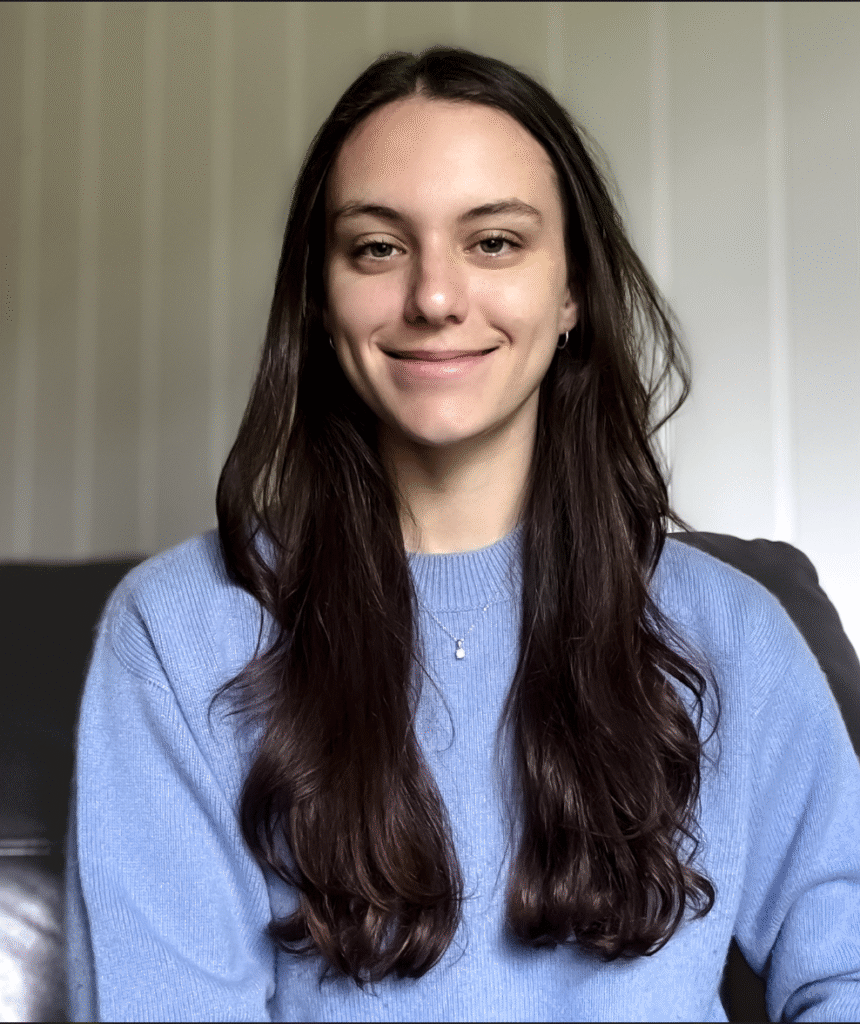


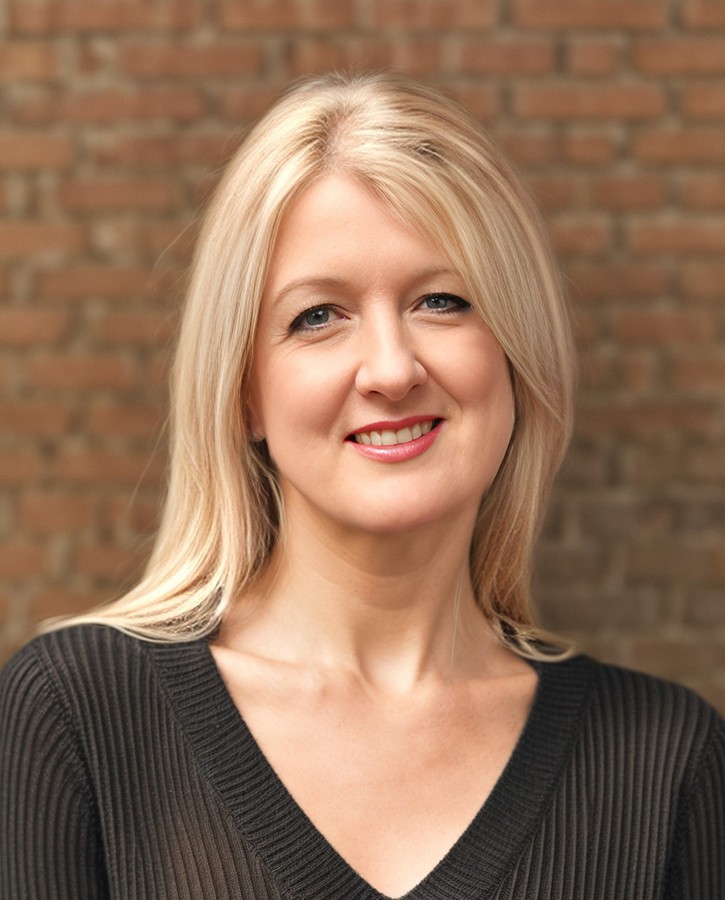
Our team is made up of Registered Psychotherapists and Registered Psychotherapists (Qualifying). Want to see everyone? Meet the full team.
What Social Anxiety Therapy Costs
We offer different price points depending on your needs and your therapist’s qualifications. Every session comes with a receipt for your extended health benefits.
Affordable Care$90Sessions completed with a Masters Level Resident Intern working under supervision. Ideal for clients experiencing hardship.
Sliding Scale$100–$160Sessions completed with a Masters Level Resident Intern or Advanced Therapists offering sliding scale. Ideal for clients with limited health insurance.
Standard & Specialty$170+Sessions completed with therapists with higher levels of experience or with specialized care with different issues. Ideal for clients with health insurance coverage.
Your 15 to 20 minute consultation is free. OHIP does not cover private psychotherapy. Read more about affordable care, our sliding scale and standard sessions. Individual sessions are 50 minutes.
Using Your Benefits
Many extended health benefit plans cover psychotherapy. Check which provider types your plan covers, and keep in mind that a Health Spending Account may cover sessions too. We provide a receipt after every session so you can submit your claim.
Online Therapy Anywhere in Ontario
Every session is online, so you can work with the right therapist whether you live downtown, in the suburbs or in a small town. For social anxiety in particular, that removes the part of therapy people dread most: there is no reception desk, no clipboard and no waiting room full of other people to sit in.
Starting from your own space also means the first appointment asks less of you. You can have a glass of water, a blanket and the door shut, and you never have to worry about being seen walking into a clinic.
- TorontoOnline therapy
- OttawaOnline therapy
- MississaugaOnline therapy
- HamiltonOnline therapy
Getting the Most From Online Sessions
- Find a private space where you won’t be overheard or interrupted
- Test your camera, microphone and internet connection beforehand
- Tell your therapist if seeing yourself on screen makes things harder, so you can hide your own view
- If video doesn’t feel comfortable, phone sessions are available upon request
- Silence notifications and put other screens away
- Leave yourself a few quiet minutes afterwards before going back to the day
See all the places we work across Ontario.
Frequently Asked Questions About Social Anxiety Therapy
What is social anxiety?
Social anxiety is a persistent fear of being watched, judged or embarrassed in front of other people. It shows up as dread before social situations, physical symptoms during them, and replaying them afterwards. Because the fear is of other people’s judgement, the usual response is to avoid, which keeps the fear going.
How is social anxiety different from being shy?
Shyness is a temperament. It can feel uncomfortable at first and then settle once you warm up to people. Social anxiety is more persistent and more costly. It changes what you are willing to do, so you turn down invitations, stay quiet in meetings or put off calls and appointments, and it tends to grow the longer you avoid.
How do I know if I have social anxiety?
We don’t provide assessments or diagnoses, so the honest answer is that a label matters less than the pattern. If fear of judgement is shaping your choices at work, in friendships or in dating, that is worth working on. Therapy helps whether or not you have a diagnosis, and you can talk it through in a free consultation.
How much does social anxiety therapy cost?
Sessions are $90 through Affordable Care with our Masters Level Resident Interns, who work under supervision, $100 to $160 on our Sliding Scale, and $170+ for Standard & Specialty sessions with our most experienced therapists. Your 15 to 20 minute consultation is free, fees can vary by therapist, and every session comes with a receipt for your extended health benefits provider.
Does OHIP cover therapy for social anxiety?
OHIP does not cover private psychotherapy. Many extended health benefit plans include psychotherapy coverage, and we provide receipts after each session for you to submit.
Do you offer direct billing to my insurance?
Not yet. We don’t currently offer direct billing, but we’re working on it. For now, you pay for each session and we send a receipt you can submit to your extended health plan for reimbursement.
Is there a waitlist for social anxiety therapy?
No. True Self Counselling has no waitlist. Most people can book a free consultation and begin therapy within days.
Does online therapy work for social anxiety?
Many people find it easier to start online. There is no waiting room, no reception desk and no one to walk past, so the first appointment asks less of you. You attend over secure video from your own space, anywhere in Ontario, and phone sessions are available upon request. You and your therapist still build the same working relationship.
Is cognitive behavioural therapy used for social anxiety?
Yes, it is one of the approaches our therapists draw on. Cognitive behavioural work looks at the predictions you make about how others will react, tests them against what actually happens, and gradually reduces the avoidance that keeps the fear in place. Many of our therapists pair it with exposure-based work such as ERP, somatic and nervous system work, Internal Family Systems or Acceptance and Commitment Therapy.
How long does social anxiety therapy take?
It depends on what you’re working on. Some people come for a focused stretch of sessions to prepare for something specific, such as presenting at work, while others meet for longer to change patterns that go back years. Your therapist will set goals with you and check in on progress along the way.
Do I need a referral to start?
No. You don’t need a doctor’s referral to see one of our therapists. Some extended health benefit plans ask for a referral before they reimburse psychotherapy, so it’s worth checking your plan.
Related Services
Social anxiety rarely arrives on its own. These are the areas people most often work on alongside it.
Ready to Start Social Anxiety Therapy?
Book a free 15 to 20 minute video consultation with a therapist matched to you.
or call / text 289‑270‑1220
True Self Counselling is not a crisis service. If you are in crisis, call or text 9‑8‑8 any time, or call 911 in an emergency.