


Online Psychotherapy for Richmond Hill and York Region
Online Therapy in Richmond Hill
For people who give everything to work and family and have nothing left by evening. Secure video sessions, usually starting within days.
- Free 15 to 20 minute consultation
- A therapist matched to you
- 50 minute sessions online
- Fees from $90 per session
Nothing Left by the Time You Get Home
The day is long before anything difficult happens in it. Meetings stacked end to end, messages that follow you to the dinner table, a household that needs you the moment you look up. By seven someone needs something immediately, and the part of you that was going to deal with your own life got spent somewhere between the first call and the last.
That is the honest reason many people here never got around to therapy. An appointment in a building, at five o’clock, in traffic, was never going to survive a second week. True Self Counselling is a virtual practice covering all of Ontario, and we hold no waitlist: a free 15 to 20 minute consultation, then a therapist chosen for you, then 50 minutes over secure video, usually within days.
No referral is needed, and you get a therapist chosen for what you are carrying rather than for who happens to have a gap on Tuesday.
Who Books With Us From Richmond Hill
This is a town people chose on purpose: for the schools, for a yard, for a street quiet enough to raise children on. What nobody says out loud is the arithmetic underneath, where the good life is here, the working life is forty kilometres south, and something in the middle gives way.
- People pleasers who keep the peace for parents, kids and colleagues alike, and want to say no without replaying it for hours
- Highly sensitive people who pick up on the smallest change in tone and are worn down by being told they overthink it
- People whose feelings swing between shut down and swamped, and who want to feel steadier without feeling less
- Professionals with a downtown title and a low hum of dread about Monday
- People whose evenings are finished before they start, resenting a family they barely see awake
- Parents who moved north for the schools and worked out afterward that they know nobody on the street
- Adults noticing ADHD in themselves, often after one of their kids is assessed
- People in their forties whose patience, sleep and concentration slipped once perimenopause started, and who are tired of hearing it is all in their head
- People in the middle of a separation or fresh divorce, setting up a new home, a new routine and a co-parenting arrangement from nothing
- Adults holding a parent’s medical appointments and a teenager’s schedule in the same week
- People who arrived mid-career, rebuilt from the bottom, and never once put the strain down
- Anyone who has concluded that being this tired is just what their forties are
- Couples who cannot remember a recent conversation that was not logistics
Anxiety, ADHD and Trauma Counselling When Everything Looks Like Success
The people who reach us from Richmond Hill are usually doing well by every measure anyone else can see. The career moved, the kids are in the right programs, the house on the quiet crescent got bought. Anxiety, ADHD and trauma are among the most common reasons they book anyway, because none of that success turned the volume down inside.
Anxiety here tends to look like diligence. You prepare twice as much as anyone needs, reread the email before you send it, and lie awake running tomorrow’s meeting and your daughter’s exam schedule side by side. It settles in the body first: a jaw that aches by mid-afternoon, a chest that tightens on the walk around Mill Pond that was meant to be the break.
Many high achievers find ADHD hiding under the anxiety, missed for years because strong marks and sheer effort covered it. Colour-coded calendars, reminders and late-night catch-up sessions kept things on track, until a promotion, a baby or perimenopause added one more demand and the whole system buckled. Often it comes to light when a child is assessed and the report could describe your own school days. That was never a discipline problem.
For some people it reaches further back. If love at home felt conditional and a parent’s mood set the tone for every evening, your body may still be bracing decades later. A rush of shame or dread far bigger than the moment calls for is often an emotional flashback. That counts as trauma, even without any dramatic event, and trauma therapy takes it slowly, at the pace you choose. works with it slowly and at your pace.
The usual entry point is anxiety therapy or ADHD therapy, and some people end up doing both. It turns practical fast: what the worry is guarding, which problems you can solve and which you only rehearse, and routines built around how your mind really operates.
When the Workday Never Really Ends
Whether the day happens downtown, on the road or at a desk in the spare room, a lot of people here finish work with nothing left. The laptop stays open, the messages keep coming, and the evening you meant to have is used up before it starts.
What that does is subtler than tiredness. It takes the hour that used to be yours and delivers you to the evening at the exact end of your patience. The second shift starts there: dinner, homework, a parent who wants to talk, a partner who has been saving an adult conversation since morning.
- Exhaustion the weekend no longer fixes. When two days off stop restoring anything, what is running low is not sleep, and flatness of that kind is what depression therapy is for.
- Worry that runs all day. If the morning is spent rehearsing the meeting and the evening replaying it, that is anxiety putting in a full day of its own.
- The ten minutes at the end of the day. Most of the damage happens in the handover between work and household, and there are concrete ways to change it, which is where emotion regulation begins.
Clients open the link from Oak Ridges, Bayview Hill, the streets around Mill Pond and the newer blocks past Elgin Mills and Richmond Green, and the hour is identical wherever you sit.
Holding a Parent and a Teenager in the Same Week
A great many houses here hold three generations, sometimes by plan and sometimes because a hospital discharge decided it for everybody. The basement becomes an apartment, the spare room becomes your mother’s room. Between a father’s specialist appointments, a daughter’s exams and an employer who knows none of it is happening, whole years pass in which nobody asks how you are.
It is also work nobody praises. You are the reliable son or the capable daughter, and the reward for coping is more to cope with. The resentment that grows in there is not a character defect.
- Saying no to someone you are also caring for. Boundary setting is harder when the person asking is frail, and it is still learnable.
- A parent who was never easy and is now dependent. Caring for someone who could not care for you is its own knot, and work with emotionally immature parents is about staying steady inside it.
- Grieving someone who is still alive. Watching memory or mobility go is a loss with no funeral to mark it, and grief counselling covers that too.
- Being the one who always says yes. If you were the child everyone relied on, people-pleasing can feel like duty rather than habit.
A Good Street Where You Know Nobody
Families move up here for the schools and the space, and both deliver. What catches people out is the quiet. Your friends are downtown or in the city you left, the street is polite and closed, and what used to make up a social life begins at seven in the evening somewhere you can no longer reach. For a couple that lands on the marriage: if the only adult in your day is your partner, they become your friend, your co-parent and your traffic report at once, and none of those conversations finishes. Six months on, you divide tasks efficiently and neither of you has said anything real in a while.
There is a deeper version of the same thing. Plenty of adults here have already rebuilt a career, a home or a whole life once, and kept going without ever stopping to say it was hard. Saying so now can feel like ingratitude. What comes into sessions is specific: a career that did not turn out the way it was supposed to, standards nobody could meet, and grief that got postponed because there was never time for it.
Dread about people rather than places is ground social anxiety therapy covers. A relationship gone quiet is couples counselling, on one video call from a single couch or two rooms, which for people on opposite schedules is often the only way 50 minutes line up. Loss of a country and of a version of yourself is usually grief counselling, and where the leaving itself was frightening it becomes trauma therapy.
One thing plainly: our sessions are in English, and we would rather you knew now than find out on the call. Your background and family context are part of how we match you, so tell us what matters when you book.
Where People Here Usually Start
Everything here happens by video, so the options are identical from a kitchen table, a home office or a parked car at lunch.
- Anxiety TherapyWorry that never clocks off
- ADHD TherapyIncluding late recognition
- Trauma TherapyRecent or long buried
- Depression TherapyWhen rest stops restoring
- Boundary SettingParents, children, employers
- Couples and Marriage CounsellingBoth of you, one call
- Grief and LossIncluding a loss with no funeral
- Affordable CareFrom $90 per session
Also here: complex trauma therapy, emotion regulation, neurodivergent affirming therapy, LGBTQ affirming therapy and the rest of what we do.
Some of the Team You Could Be Matched With
Our therapists all work by video, so a Richmond Hill address never limits who you can choose. These therapists often help with the concerns people in Richmond Hill raise in therapy. Read their profiles and book a free consultation with whichever therapist you would like to meet first.


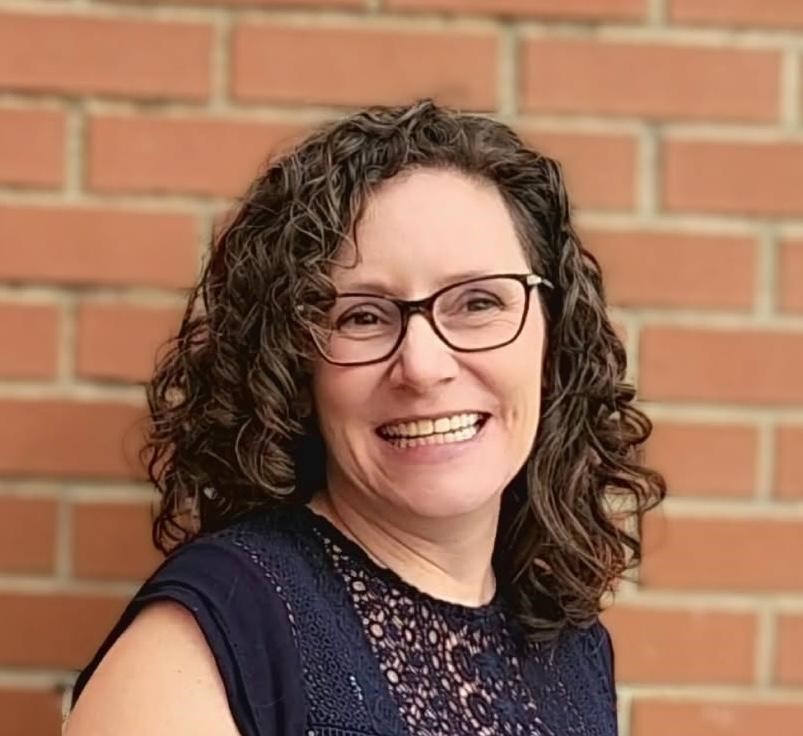


There are more of us. See the full team.
How It Works
It usually takes days, not weeks, to get from a first message to a first session.
-
Pick a Time
Choose a free 15 to 20 minute consultation time and give us a short summary of what is happening.
-
We Match You
We match you thoughtfully, weighing what you are working through, how you communicate and your background, then confirm the time by email or text.
-
Free Meet & Greet With Your Therapist
Meet your therapist free of charge, ask whatever you want, and see if it feels right. Then book directly with them, often starting within days.
What Happens in Your Meet & Greet
This conversation is where you describe what is going on, what you hope to get from therapy, your background and your goals, and hear how your therapist likes to work. The question underneath is whether you would be comfortable with this person. If yes, book your first session directly with them. If not, let us know and we will re-match you. Most people settle on the right person the first time. You will only need a private room and a reliable internet connection.
Three Titles, and Which One You Are Looking For
A doctor or friend may suggest you “see someone” without saying which kind of professional. The title matters, because it decides what your plan pays back.
Counselling and psychotherapy
Registered Psychotherapist
Works with anxiety, trauma, relationship difficulties and life transitions through talk therapy. Regulated by the College of Registered Psychotherapists of Ontario (CRPO). OHIP does not cover it, though extended health plans often do.
Assessment and diagnosis
Psychologist
Generally holds a doctorate and can formally assess and diagnose mental health conditions as well as offer therapy. Regulated by the College of Psychologists and Behaviour Analysts of Ontario. Private appointments are not OHIP-covered.
Medical care
Psychiatrist
A physician who diagnoses mental health conditions and can prescribe medication. OHIP pays for visits, which normally need a referral from a family doctor or nurse practitioner.
Here, your therapist would be a Registered Psychotherapist, an RP(Q) or a pre-licensed Master’s-level psychotherapy intern. A Registered Psychotherapist (Qualifying) is registered with the CRPO and practises under clinical supervision until full registration is complete. Affordable Care sessions are with Master’s-level psychotherapy interns, supervised by highly experienced psychotherapists.
What We Offer
Learn More
Learn More
Learn More
Special Approach to Every Client
We have three levels of service based on the experience of the clinician and your financial needs.
Affordable Care
$90
Per Session
- Sessions completed with a Masters Level Resident Intern working under supervision.
- Receipts provided for reimbursement.
- Ideal for clients experiencing hardship.
Sliding Scale
$100–$160
Per Session
- Sessions completed with a Masters Level Resident Intern or Advanced Therapists offering sliding scale.
- Receipts provided for reimbursement.
- Ideal for clients with limited health insurance.
Standard & Specialty
$170+
Per Session
- Sessions completed with therapists with higher levels of experience or with specialized care with different issues.
- Ideal for clients with health insurance coverage.
All sessions are online over secure video. We don’t offer in-person therapy in Richmond Hill.
Extended health plans often cover sessions with a Registered Psychotherapist (Qualifying), as well as sessions with a therapist supervised by a Registered Psychotherapist. Check your plan, and keep the receipt we send after every session.
The Benefits Are at an Office You Rarely Sit In
OHIP pays nothing toward private psychotherapy, so the question is what else will. Where one income comes with a decent plan and the other from contract work or a business run out of the house, the answer is usually better than people expect and nobody has checked.
- Read the plan belonging to whichever of you is employed. A workplace plan often covers a spouse and children too, which matters when the other adult has no coverage at all.
- Find out which designations are reimbursed. Insurers often treat a Registered Psychotherapist, a Registered Psychotherapist (Qualifying) and a supervised intern differently, and that single line sets how much you get back.
- No coverage anywhere? Sliding Scale runs from $100 to $160, Affordable Care is $90 per session, and Standard and Specialty is there if your plan is generous.
Each session comes with a receipt that says psychotherapy and nothing about what was discussed. If no fee fits your budget right now, the free provincial program below is worth a look.
Mental Health Support in Richmond Hill Beyond Us
York Region has public services that work alongside private therapy, and some are free. Here are the main ones for Richmond Hill.
- CMHA York Region & South Simcoe. Community mental health programs across York Region. 905-841-3977 or 1-866-345-0183.
- Community Crisis Response Service. York Region’s crisis line, listed by CMHA York Region: 1-855-310-COPE (2673).
- Mackenzie Health adult mental health. Outpatient programs at Mackenzie Richmond Hill Hospital, by physician referral. 905-883-1212 ext. 3327.
- Ontario Structured Psychotherapy. Publicly funded short-term CBT for adults with depression or anxiety, open to self-referral.
In a crisis, call or text 9‑8‑8 any time, or call 911.
What People Ask Before They Book
Do you see clients in Richmond Hill?
Yes. Every session runs online over secure video, so the only requirement is that you are somewhere in Ontario when we start. Where you sit within the town makes no difference.
How soon could I actually begin?
Within days, in most cases, because there is no waitlist. You book a free 15 to 20 minute consultation, we match you with a therapist, and you meet them before committing to anything.
Do you have an office in Richmond Hill?
No. We are a virtual practice, so there is no drive up Yonge, no parking and no waiting room where you might see a neighbour. Your choice of therapist is also not limited to whoever has a room nearby.
My days start early and end late. When would a session fit?
Tell us the real shape of your week when you book, including when you leave the house and when you get back through the door. Many of our therapists hold evening slots and some work weekends, and availability is treated as part of the match.
What does a session cost?
There are three levels. Affordable Care is $90 per session with Master’s-level psychotherapy interns. Sliding Scale runs from $100 to $160 per session. Standard and Specialty starts at $170 per session with our more experienced therapists.
Does OHIP cover this?
No. OHIP does not cover private psychotherapy anywhere in Ontario. Most extended health plans do cover it, and we issue a receipt after every session for you to submit.
Do you offer direct billing to my insurance?
Not yet. We don’t currently offer direct billing, but we’re working on it. For now, you pay for each session and we send a receipt you can submit to your extended health plan for reimbursement.
Do I need a referral from my family doctor?
No. In Ontario you can book a Registered Psychotherapist yourself. Some benefits plans still want a referral on file before reimbursing, so check your booklet even though we do not ask for one.
How long is a session, and how often would I come?
Each individual session runs 50 minutes. Weekly or every other week is the usual start, with more space between sessions as things improve. There are no packages and no minimum number of sessions.
Can sessions be in Farsi, Mandarin or Russian?
Our sessions are in English, and we would rather say so here than have you discover it on the call. Background and family context do go into the matching, so tell us what matters to you when you book.
I am looking after my mother and my teenagers at once. Is that really a reason to see a therapist?
It is one of the most common reasons people here get in touch. Carrying two generations at once wears people down in a way that rarely gets named out loud, and it is workable in therapy.
My parent lives with us and the house is never empty. Where do I take the session?
Wherever a door closes. A bedroom with headphones, a basement, the car in the driveway, or an hour when the house is quiet. Reminders and receipts come to you by email or text, so nothing arrives in the mail.
Can my partner and I be on the call together?
Yes. Couples counselling, which insurers and older relatives both still call marriage counselling, runs on one secure video call. Sit side by side with a laptop or join from two rooms, as long as you are both in Ontario.
Who would I be seeing?
Depending on your match, a Registered Psychotherapist, a Registered Psychotherapist (Qualifying) or a pre-licensed Master’s-level psychotherapy intern. RPs and RP(Q)s are registered with the College of Registered Psychotherapists of Ontario, and RP(Q)s practise under clinical supervision. Affordable Care sessions are with Master’s-level psychotherapy interns, supervised by highly experienced psychotherapists.
Elsewhere in York Region and Beyond
Your therapist and your fee stay the same wherever in York Region you happen to be. Move to Aurora or Newmarket and nothing about your sessions changes.
- MarkhamOnline therapy
- VaughanOnline therapy
- TorontoOnline therapy
- BarrieOnline therapy
Further afield? See the full locations list, or call or text 289‑270‑1220 to ask a person.
Ready to Start Therapy in Richmond Hill?
Book a free 15 to 20 minute video consultation with a therapist matched to you.
or call / text 289‑270‑1220
True Self Counselling is not a crisis service. If you are in crisis, call or text 9‑8‑8 any time, or call 911 in an emergency.