



Online Complex Trauma Therapy Across Ontario
CPTSD Therapy in Ontario
When the hardest thing wasn’t one event but years of it, healing needs a different pace. Work with a therapist who understands complex trauma, online and with no waitlist.
- No waitlist
- Secure video sessions
- Reduced-fee sessions available
- Receipts for extended health benefits
When the Trauma Was Not One Event
Complex trauma comes from experiences that repeated, or went on for a long time, often early in life and often inside relationships you could not simply leave.
It might have been a home where you read someone’s mood before your own, where affection arrived only when you performed well, or where your feelings were an inconvenience. It might have been years of criticism, unpredictability or silence. None of it had to look dramatic from the outside.
What stays with you is not only the memory. It is the adapting: staying alert, staying small, apologizing first, keeping everyone else comfortable so nothing blows up. Those were reasonable responses at the time, and they kept running long after you left.
CPTSD, or complex PTSD, is the term many therapists and clients use for these lasting effects. It is not listed in the DSM-5, so it is not a formal diagnosis we give, and our therapists do not provide assessments. We work with what you are living with now, whether or not it has ever had a name.
What Complex Trauma Can Look Like
Complex trauma rarely announces itself. It usually shows up as patterns you assumed were simply your personality.
Shame
The Sense That You Are the Problem
A background belief that you are too much, or not enough, held as fact rather than as a thought.
Self-criticism
A Relentless Inner Critic
The voice that reviews every conversation afterwards and finds the fault. It often began as a way to stay safe.
Abandonment
Fear of Being Left
One short reply and your whole body braces. Fear of abandonment can drive clinging and pushing people away first.
Trust
Difficulty Trusting People
You want closeness and you watch for the catch. Kindness can feel like something you will be billed for later.
Numbness
Chronic Numbness and Shutdown
Feeling flat, or watching your life from behind glass. Shutting down was once the only exit available.
Neglect
Childhood Emotional Neglect
Nothing obviously bad happened, and no one asked how you were either. Emotionally immature parents
Emotional flashbacks
Flashbacks Without Pictures
Suddenly flooded with the fear, shame or helplessness of being young, with no image attached, just the feeling.
Development
Developmental Trauma
When this began while you were still forming, it shapes identity, not just memory. About trauma therapy
How CPTSD Differs From Single-Incident PTSD
With single-incident PTSD there is usually one identifiable event, and the memory of it is often sharp. The work tends to focus on that event and on the alarm system it left switched on.
Complex trauma is different because it repeated. There may be no single scene to point to, so the effects sit less in one memory and more in what got built around it: your sense of who you are, how safe people feel, and what your body does when someone raises their voice.
That is why the timeline differs too. You are not only settling an alarm, you are revising conclusions you reached before you had any choice about them.
Therapy for complex trauma may be a good fit if you:
- Recognize yourself in emotional flashbacks more than in vivid memories
- Carry shame that logic has never managed to argue with
- Find relationships the hardest place to feel steady
- Swing between feeling everything and feeling nothing
- Grew up managing an adult’s moods or unpredictability
- Sense an older layer underneath the therapy you have already done
How Therapy Paces This Work
Good trauma work is not a race to the worst memory. It moves in phases, and your therapist will not move to the next one until the ground under you can hold it.
-
Stabilizing First
You begin by building capacity rather than digging: noticing what your nervous system is doing, finding ways to come back down when a flashback hits, and practising skills for sleep, overwhelm and self-criticism. For many people this phase alone changes how a hard week feels.
-
Processing at Your Pace
Once you have somewhere steady to stand, you can work with what happened, in pieces rather than all at once. That may involve somatic and nervous system work, EMDR or the approaches below. You decide what gets opened and when.
-
Rebuilding How You Live
Grieving what you did not get, learning what you actually want, setting boundaries without guilt, and letting relationships feel different because you respond differently in them.
What Healing Realistically Looks Like
Healing is not the moment the past stops having happened. It is a shift in how much of today it gets to run.
- Flashbacks still come, but you know what they are and they pass sooner
- The inner critic gets quieter, and you stop taking it at its word
- You can be upset with someone without expecting to lose them
- You notice what you need before you are depleted
- Your history becomes something you carry rather than something you are
Progress here is rarely a straight line. Harder weeks are part of it, not evidence that it isn’t working.
Starting Therapy, and Your First Sessions
Reaching out can be the hardest part, especially if you have spent years deciding it wasn’t bad enough to count. You do not need a diagnosis, a referral or a tidy explanation to begin.
You start with a free 15 to 20 minute video consultation. It is a conversation, not an intake interview, and you share only what you want to. We then match you with a therapist based on what you are working through, and because there is no waitlist most people begin within days.
Early sessions are about orientation rather than excavation. Your therapist will ask what brings you in now, what tends to set things off and what has already helped. If describing your history feels like too much on day one, you can say so.
- Be believed without having to prove how bad it was
- Get language for patterns you could never explain
- Leave with something practical for the next flashback
- Agree on a pace, including how to slow it down
Every session takes place over secure video, anywhere in Ontario, and you never need a referral to book.
Approaches Our Trauma Therapists Draw On
Every therapist has their own style. Your sessions may draw on one or more of these, adapted to you and grounded in a trauma-informed way of working.
Somatic and Nervous System Work
Works with what your body is doing, so you can recognize activation or shutdown early and settle yourself.
EMDR
A structured way of working with traumatic memory, usually introduced after a stabilizing phase. About EMDR
Emotion-Focused Therapy
Gets underneath the numbness or the anger to feelings that were never safe to have.
DBT Informed Skills
Practical tools for riding out intense emotion and staying grounded when everything feels urgent.
Cognitive Behavioural Therapy
Brings old conclusions into the light, so beliefs like “it was my fault” can be examined.
Acceptance and Commitment Therapy
Builds your ability to stay with difficult feelings without being run by them.
Narrative Therapy
Separates you from the story you were handed, and helps you author one that fits.
Solution-Focused Therapy
Notices what already works, including the strengths that got you through, and builds on them.
No idea what you need? That’s a normal starting point, and you don’t have to work it out before you get help. Book a free consultation and we’ll talk it through — working out what would suit you is part of what the call is for.
Know what you’re looking for? Tell us when you book and we’ll match you with a therapist who works that way.
Therapists Who Work With Complex Trauma
These therapists list trauma and CPTSD among their areas of focus. During your free consultation, we’ll help you find the right fit.
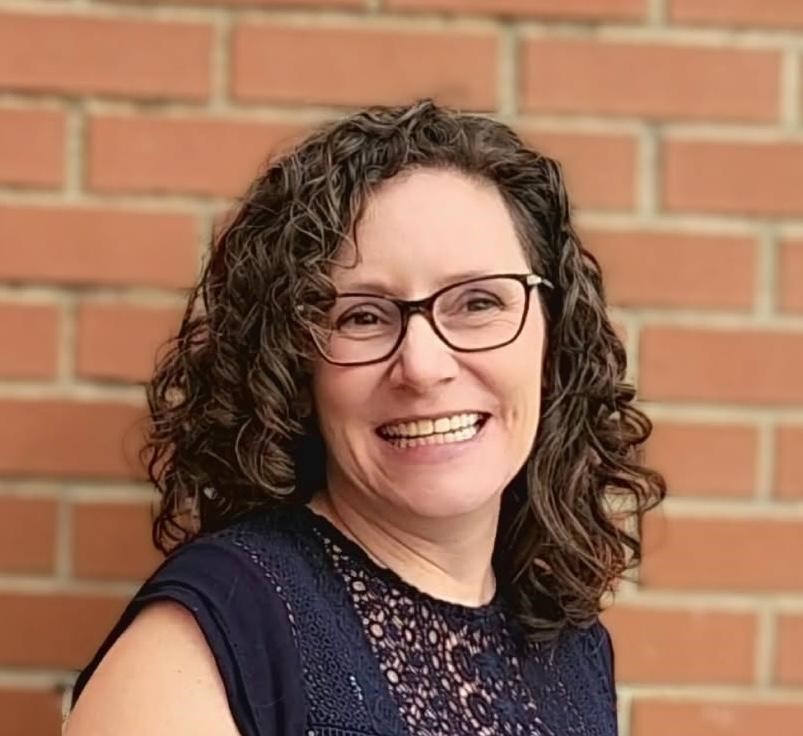



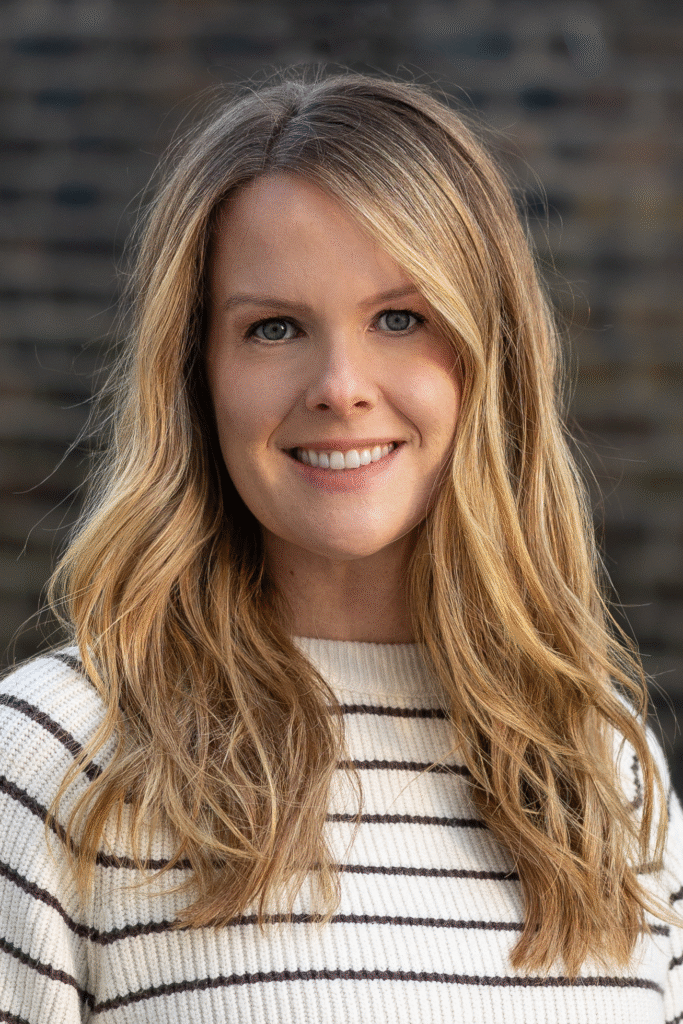
Our team includes Registered Psychotherapists and Registered Psychotherapists (Qualifying). Meet the full team.
What CPTSD Therapy Costs
We offer different price points depending on your needs and your therapist’s qualifications. Every session comes with a receipt for your extended health benefits.
Affordable Care$90Sessions completed with a Masters Level Resident Intern working under supervision. Ideal for clients experiencing hardship.
Sliding Scale$100–$160Sessions completed with a Masters Level Resident Intern or Advanced Therapists offering sliding scale. Ideal for clients with limited health insurance.
Standard & Specialty$170+Sessions completed with therapists with higher levels of experience or with specialized care with different issues. Ideal for clients with health insurance coverage.
Your first 15 to 20 minute consultation is free. OHIP does not cover private psychotherapy. See our affordable care, sliding scale and standard options. Individual sessions are 50 minutes.
Using Your Benefits
Many plans cover psychotherapy, but they differ. Before you book, check whether your plan covers services provided by a psychotherapist, or psychotherapy, which provider types it covers, such as Registered Psychotherapists and Registered Psychotherapists (Qualifying), and how much coverage you have each year.
Online CPTSD Therapy Anywhere in Ontario
Because every session is online, you can work with a therapist who understands complex trauma whether you live in a big city or a small town.
- TorontoOnline therapy
- OttawaOnline therapy
- MississaugaOnline therapy
- HamiltonOnline therapy
Making Online Sessions Feel Safer
- Choose a space where you won’t be overheard
- Keep water or something grounding within reach
- Turn off notifications so nothing pulls you out
- Leave yourself twenty quiet minutes afterwards
See everywhere we work with clients on our locations page.
Frequently Asked Questions About CPTSD Therapy
What is CPTSD, or complex PTSD?
CPTSD is a term many therapists and clients use for the lasting effects of trauma that repeated or went on for a long time, often early in life and often within close relationships. It tends to involve deep shame, harsh self-criticism, trouble trusting people, fear of abandonment and numbness.
How is CPTSD different from PTSD?
Single-incident PTSD usually follows one identifiable event, and the memory of it is often clear. Complex trauma repeated over months or years, so the effects show up less in one memory and more in how you see yourself, how safe people feel and how your body reacts to closeness.
Do you diagnose CPTSD?
No. CPTSD is not listed in the DSM-5, and our therapists do not provide assessments or diagnoses. We work with the effects you are living with, whether or not anyone has ever named them.
How much does CPTSD therapy cost?
Sessions are $90 for Affordable Care with our Master’s-level psychotherapy interns, $100 to $160 on our Sliding Scale, and from $170 for Standard and Specialty. Your first 15 to 20 minute consultation is free, and every session comes with a receipt for your benefits provider.
Does OHIP cover therapy for complex trauma?
OHIP does not cover private psychotherapy. Many extended health benefit plans include psychotherapy coverage, and we provide receipts after each session for you to submit.
Do you offer direct billing to my insurance?
Not yet. We don’t currently offer direct billing, but we’re working on it. For now, you pay for each session and we send a receipt you can submit to your extended health plan for reimbursement.
Is there a waitlist?
No. True Self Counselling has no waitlist. Most people can book a free consultation and begin therapy within days.
Will I have to talk about everything that happened?
Not before you are ready, and not in more detail than is useful. Complex trauma work usually starts with stabilizing skills, and processing comes later, at a pace you set with your therapist. You stay in charge of what you share and when.
Do you offer EMDR for complex trauma?
Some of our therapists work with EMDR. With complex trauma it is usually introduced after a stabilizing phase rather than in the first few sessions. Ask about it during your free consultation and we will match you accordingly.
How long does therapy for childhood trauma take?
Usually longer than short-term therapy, because patterns built over years take time to shift. Many people notice a difference in how they handle a hard day within the first couple of months, while the deeper work unfolds over longer.
Do I need a referral?
No. You don’t need a doctor’s referral to see one of our therapists. Some extended health benefit plans ask for a referral before they reimburse psychotherapy, so it’s worth checking your plan.
Related Services
Complex trauma rarely arrives on its own. These pages cover the parts people most often want to work on directly.
Ready to Start CPTSD Therapy?
Book a free 15 to 20 minute video consultation with a therapist matched to you.
or call / text 289‑270‑1220
True Self Counselling is not a crisis service. If you are in crisis, call or text 9‑8‑8 any time, or call 911 in an emergency.